The Art and History of Embroidery Through Ages
Ancient Origins and Early Civilizations
The history of embroidery art stretches back millennia, emerging as one of humanity's earliest decorative textile practices. Archaeological evidence reveals that embroidered artifacts date to approximately 30,000 BCE, with remnants discovered in Siberian burial sites showcasing primitive stitching techniques on animal hides. These nascent forms of needlework transcended mere functionality, serving as protective talismans and status indicators within ancient societies.
Ancient Egyptian tombs have yielded extraordinary examples of embroidered textiles, including the funerary garments of pharaohs adorned with intricate hieroglyphic motifs. The meticulous craftsmanship demonstrated sophisticated understanding of thread tension, fabric manipulation, and symbolic representation. Mesopotamian civilizations similarly embraced embellishment techniques, incorporating metallic threads and precious stones into their textile creations.

Mesopotamian and Egyptian Innovations
The fertile crescent witnessed remarkable developments in embroidery methodologies. Sumerian artisans pioneered the use of gold threads, creating resplendent ceremonial robes that proclaimed divine authority. Egyptian embroiderers developed the chain stitch and blanket stitch, techniques that would influence textile traditions across continents. Their papyrus records document elaborate workshops where skilled needleworkers created burial shrouds embedded with protective amulets and sacred symbols.
"Embroidery served as a universal language, communicating wealth, spirituality, and cultural identity through the delicate interplay of thread and fabric."
Medieval European Embroidery Traditions
Medieval Europe witnessed an extraordinary flourishing of ecclesiastical embroidery, with monasteries becoming centers of textile artistry. The Opus Anglicanum tradition emerged in England during the 13th century, establishing a reputation for unparalleled craftsmanship that extended throughout European courts. These ecclesiastical vestments featured elaborate religious narratives executed in silk and gold threads, demonstrating remarkable technical virtuosity.
Secular embroidery simultaneously evolved within aristocratic households. Noble ladies practiced needlework as both artistic expression and social accomplishment, creating tapestries and personal accessories that reflected their elevated status. The emergence of professional embroiderers' guilds standardized techniques while preserving trade secrets through apprenticeship systems.

The Rise of Secular Needlework
Courtly culture embraced embroidery as essential to fashionable dress. Sumptuary laws often regulated the use of certain threads and techniques, making embellished garments powerful indicators of social hierarchy. Italian Renaissance workshops perfected raised work techniques, creating three-dimensional effects that transformed flat textiles into sculptural masterpieces. French ateliers developed distinctive regional styles, each characterized by unique stitch combinations and motif preferences.
Asian Embroidery Mastery
Asian civilizations cultivated embroidery traditions of unmatched sophistication and cultural significance. Chinese embroidery, particularly the renowned Suzhou style, achieved legendary status through its extraordinary technical precision and artistic refinement. These masterworks required years of dedicated training, with artisans developing remarkable dexterity to execute microscopic stitches that created photorealistic imagery.
| Region | Distinctive Style | Signature Techniques | Cultural Significance |
|---|---|---|---|
| Suzhou, China | Silk thread on silk fabric | Double-sided embroidery | Imperial court regalia |
| Japan | Sashiko reinforcement | Running stitch patterns | Practical and spiritual |
| India | Kantha storytelling | Layered running stitches | Feminine wisdom tradition |
Chinese Imperial Embroidery
The Chinese imperial court elevated embroidery to unprecedented artistic heights. Dragon robes (longpao) featured intricate symbolic motifs representing cosmic harmony and imperial authority. Artisans employed seed stitches, split stitches, and couching techniques to create textiles that rivaled painted masterpieces in their complexity and beauty. The legendary "forbidden stitch" created such fine detail that prolonged work allegedly caused blindness, earning its ominous nomenclature.

Japanese Aesthetic Refinement
Japanese embroidery traditions emphasized minimalist elegance and seasonal symbolism. Kimono decoration required understanding of color harmonies, spatial relationships, and cultural associations. The strategic placement of embroidered elements followed strict compositional principles derived from painting and poetry traditions. Metallic threads (kinshi) created luminous effects that captured light and movement with extraordinary subtlety.
Cultural Significance and Symbolism
Throughout history, embroidered motifs have conveyed complex cultural meanings transcending mere decoration. Auspicious symbols like dragons, phoenixes, and lotus blossoms carried protective properties and spiritual significance. These iconographic elements transformed everyday objects into talismanic accessories imbued with cultural power and personal meaning.
Regional variations in symbolic interpretation created distinctive artistic vocabularies. Chinese cloud patterns represented celestial protection, while European heraldic motifs proclaimed familial lineage. Islamic geometric designs reflected mathematical perfection and divine harmony. These diverse symbolic systems demonstrate embroidery's role as cultural repository and identity marker.
Protective and Ceremonial Functions
Embroidered textiles served crucial protective functions across cultures. Bridal garments featured fertility symbols and protective charms designed to ensure marital happiness and offspring. Military standards incorporated emblematic designs intended to inspire courage and ensure battlefield success. Shamanic robes employed specific motif combinations believed to facilitate spiritual communication and healing practices.
- Dragon motifs symbolized imperial power and cosmic energy
- Floral patterns represented seasonal cycles and natural harmony
- Geometric designs reflected mathematical perfection and spiritual order
- Animal imagery conveyed strength, wisdom, and protective qualities
- Celestial elements connected earthly existence to divine realms
Modern Revival and Contemporary Applications
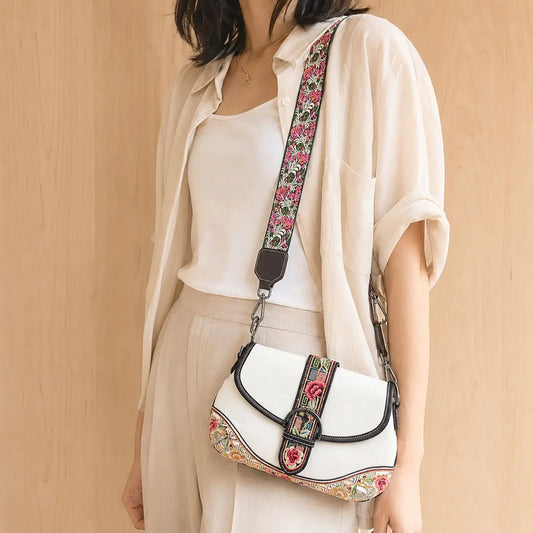
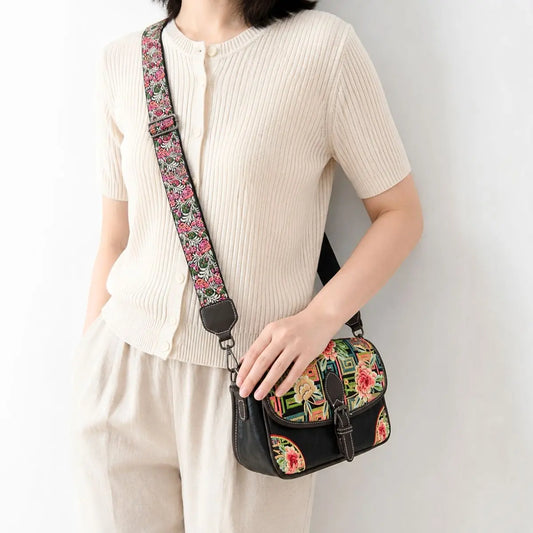
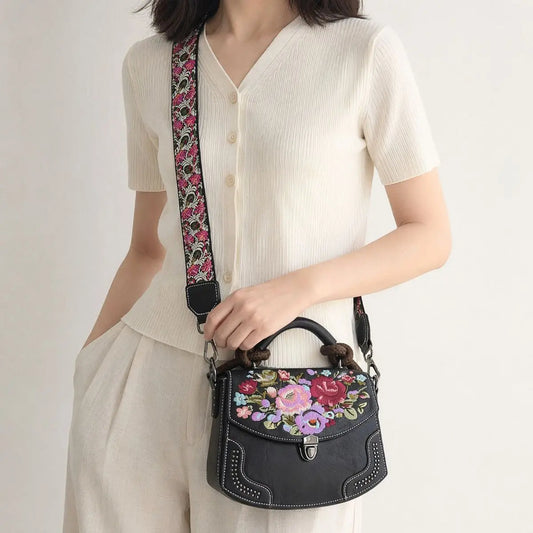
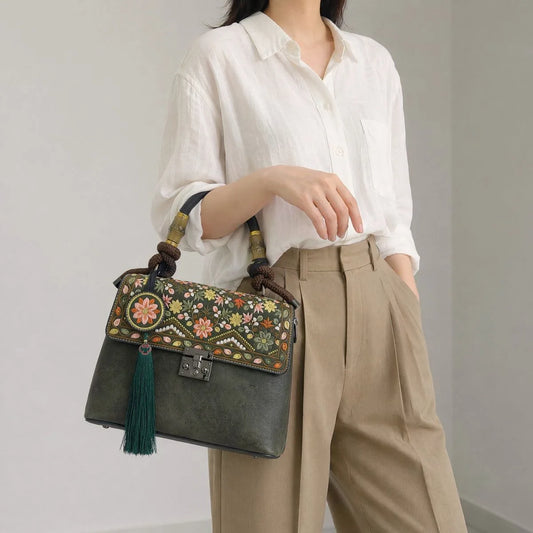
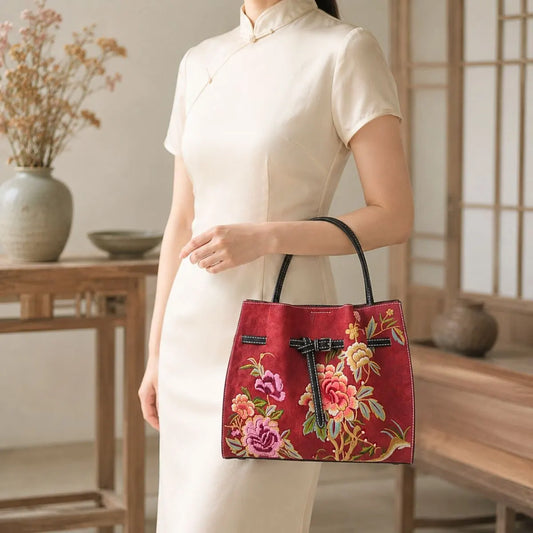
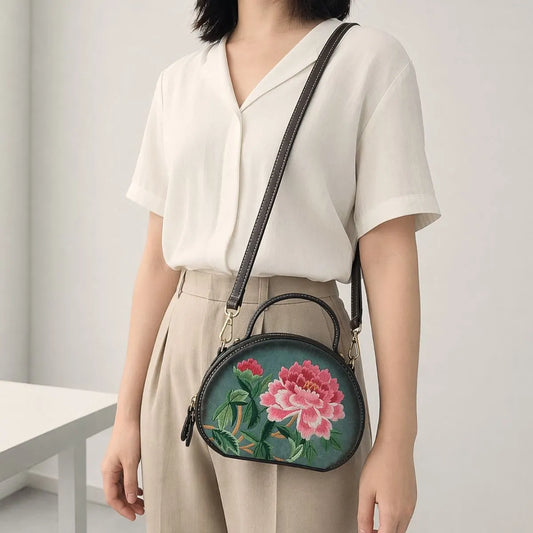
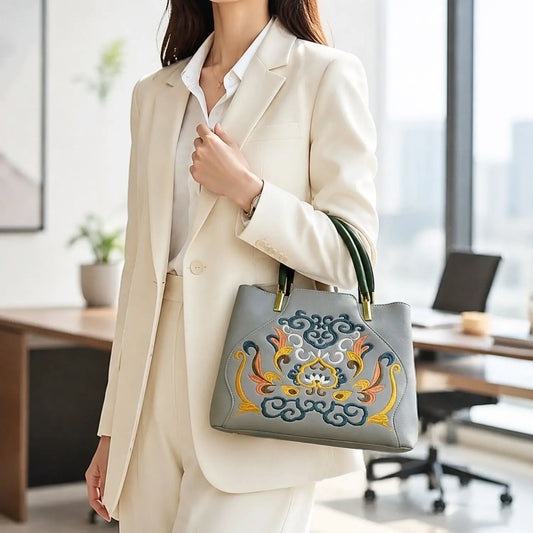
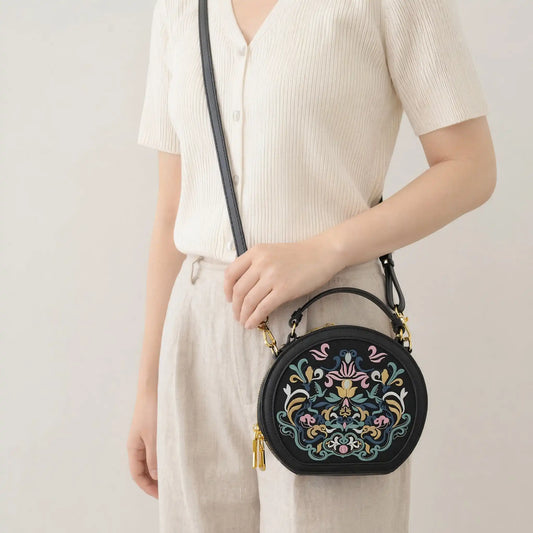
The 21st century has witnessed remarkable resurgence in embroidery appreciation, driven by growing interest in handcrafted authenticity and cultural heritage. Contemporary designers recognize embroidery's unique ability to infuse mass-produced items with artisanal character and meaningful symbolism. This renaissance extends beyond fashion into home décor, artistic expression, and luxury accessories.
Modern consumers increasingly seek products that reflect personal values and cultural connections. Embroidered accessories offer tangible links to ancestral traditions while providing distinctive aesthetic appeal in an increasingly homogenized marketplace. The intersection of traditional techniques with contemporary design sensibilities creates products that resonate with culturally conscious consumers.

Sustainable Fashion and Cultural Preservation
Contemporary embroidery represents sustainable luxury, emphasizing quality craftsmanship over disposable fashion trends. Artisanal techniques require minimal environmental resources while preserving traditional skills and cultural knowledge. This approach aligns with growing consumer awareness regarding environmental impact and social responsibility in fashion choices.
The preservation of traditional embroidery techniques has become increasingly important as globalization threatens regional artistic traditions. Cultural organizations and artisan cooperatives work to document traditional methods while adapting them for contemporary applications. This cultural preservation ensures that ancient wisdom continues to enrich modern life through beautiful, meaningful objects.
How does traditional embroidery enhance modern accessories? The answer lies in its ability to transform functional items into meaningful expressions of cultural heritage and personal identity, creating connections that transcend mere material possession.