Why Is the Peony Known as the “King of Flowers” in China?
Table of Contents
- A Flower of Prosperity and History
- A Universal Symbol of Good Fortune
- The Essence of Eastern Beauty
- Strength and Integrity: The Peony's Inner Character
- A Flower That Embodies the Chinese Spirit
- A Living Legacy: The Peony in Modern Art and Design
- Conclusion: The Peony’s Timeless Journey
- Related Reading: Explore More Chinese Auspicious Symbols
The peony holds a unique status in China, being not merely a beautiful plant but a concentrated embodiment of the spirit and aesthetic sensibilities of Chinese civilization. Revered as the “King of Flowers,” it carries profound and rich symbolism within traditional Chinese culture, primarily encompassing the following aspects:
A Flower of Prosperity and History
The peony's elevated status originated during one of China's most glorious dynasties—the Tang Dynasty (618–907 AD). During this era of national strength, economic prosperity, and cultural openness, the peony's voluminous, magnificent, and resplendent form perfectly embodied the spirit of the times. Frequently featured in imperial courts and poetry, it was celebrated by poets as “the nation's beauty, heaven's fragrance.” Thus, the peony became inextricably linked with “prosperity and strength” and “national flourishing” , cementing its status as the most beautiful symbol of golden ages in the Chinese imagination.
A Universal Symbol of Good Fortune
Deeply ingrained in Chinese daily life, the peony stands as the foremost symbol of good fortune:
- Wealth and Prestige: Its most common connotation, representing affluence and status.
- Happiness: Frequently used in wedding decorations, signifying a harmonious marriage and family bliss.
- Auspiciousness: Paired with vases, birds, and other motifs, it conveys “peace and prosperity” and “a bright future ahead.”

Its presence is easily spotted in traditional paintings, porcelain, embroidery, architecture, and even modern product packaging. It carries all the wishes for a bright future held by ordinary families.
The Essence of Eastern Beauty
The peony's beauty defines a classic aesthetic within Chinese culture.
- Fullness and Perfection: Its large, multi-layered petals symbolize completeness, abundance, and wholeness.
- Magnificent Yet Refined: Its vibrant colors and regal posture embody the Chinese understanding of “wealth and honor”—not merely material riches, but a state of abundant living and spiritual fulfillment.
- Diversity and Harmony: From pure white to deep purple, the peony's rich palette represents inclusivity and harmony.

Strength and Integrity: The Peony’s Inner Character
The peony is more than a symbol of wealth and beauty—it also possesses remarkable character.
A famous legend tells of Empress Wu Zetian, who once commanded all flowers to bloom overnight during a harsh winter. Afraid of her power, the other flowers obeyed. But the peony alone refused, choosing to wait for its natural season.
Enraged by this defiance, the Empress banished the peony from the capital to Luoyang. Yet, the following spring, the peonies in Luoyang bloomed more vibrantly than ever, with dark, scorched-like marks on their branches—said to be the “burns” from her wrath. From that day, the peony has been celebrated not only as the “King of Flowers,” but as a symbol of moral integrity, resilience, and the courage to stand firm in the face of power.

A Flower That Embodies the Chinese Spirit
Ultimately, the peony reigns supreme because it embodies the core values of the Chinese nation:
- An unyielding pursuit of prosperity and flourishing.
- An ideal of complete harmony in life.
- An aspiration for a character that values both wealth and integrity.
- A passionate affirmation of earthly happiness.
It possesses both outward splendor and inner resilience; it represents the grand narrative of the nation while also embodying the small joys of every individual.
A Living Legacy: The Peony in Modern Art and Design
The story of the peony does not end in ancient palaces or classical poetry. Today, the “King of Flowers” continues to bloom across contemporary art forms, connecting China’s cultural heritage with modern aesthetics.
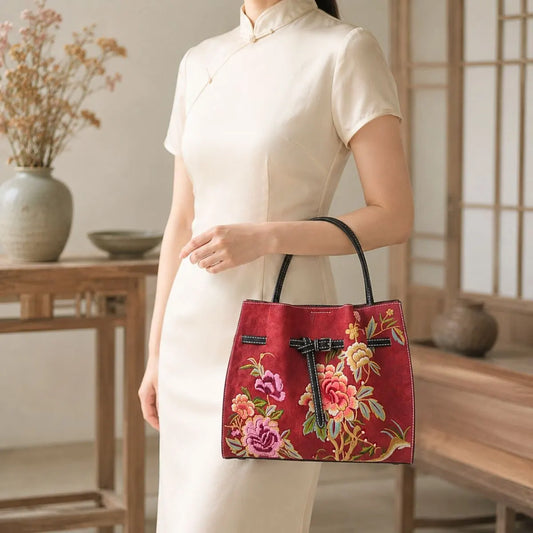
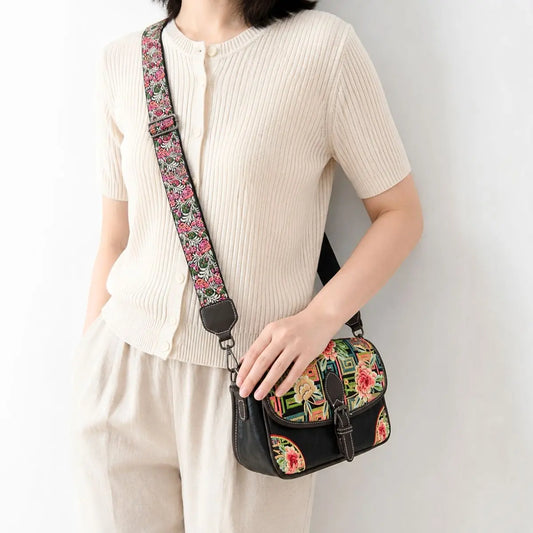
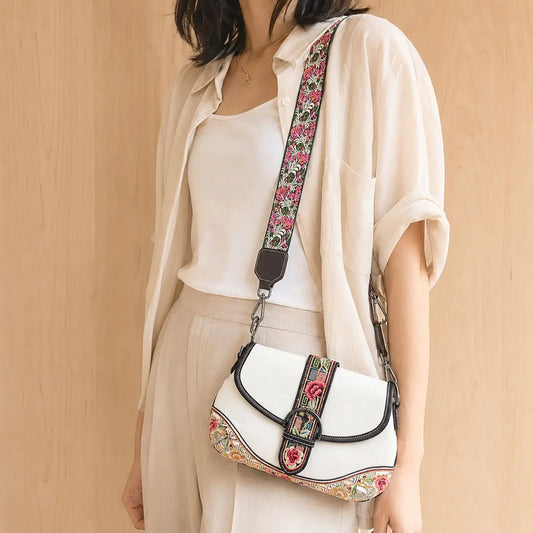
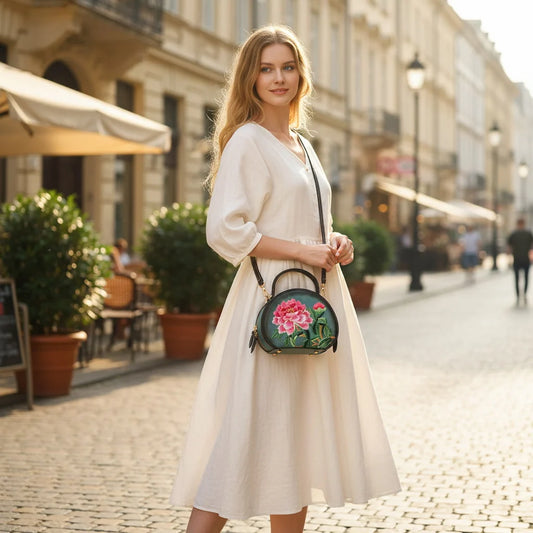
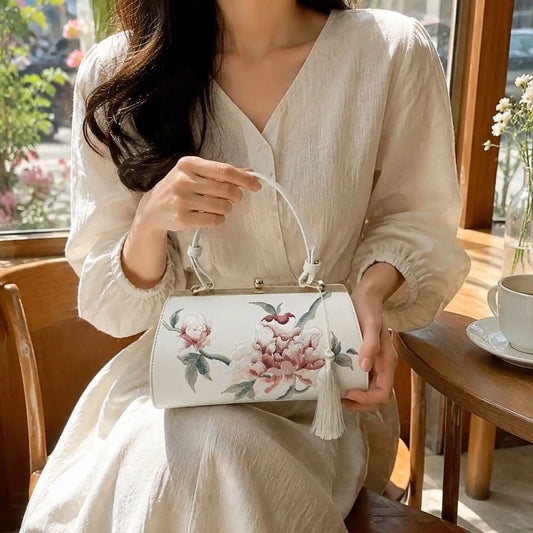
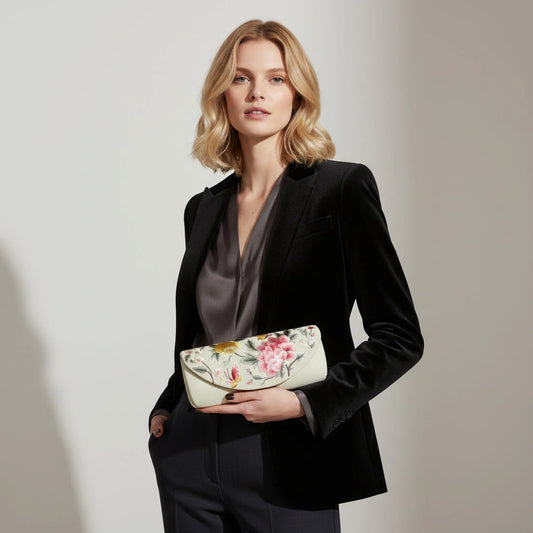
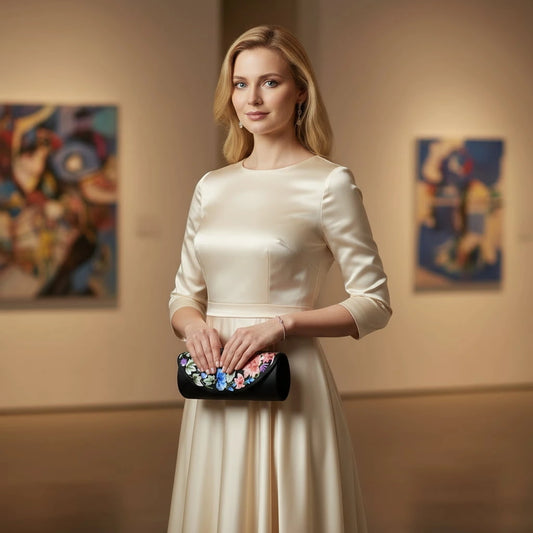
- In Embroidery and Fashion: The peony remains one of the most beloved motifs in Chinese embroidery. From haute couture Cheongsam (Qipao) dresses to everyday accessories like handbags and scarves, embroidered peonies add a layer of cultural depth and elegant beauty. Designers often pair peonies with butterflies (symbolizing joy) or auspicious birds to create patterns that carry blessings of prosperity and happiness. 👉 Learn more about the butterfly’s auspicious meaning.
- In Painting and Calligraphy: Contemporary Chinese artists continue to explore the peony in ink wash paintings, oil paintings, and digital art. While traditional styles emphasize its fullness and vibrant colors, modern interpretations may play with abstraction, minimalism, or surrealism—yet the flower’s core symbolism of wealth, honor, and resilience remains intact.
- In Home Decor and Product Design: From porcelain vases and silk cushions to wall art and tea sets, the peony pattern has found new life in modern interior design. Its timeless elegance brings a touch of oriental charm to any space, blending tradition with contemporary living.
- In Branding and Visual Culture: The peony is also widely used in brand logos, packaging design, and festival decorations, especially during Lunar New Year and wedding celebrations. Its image instantly communicates messages of good fortune, beauty, and cultural pride.

Conclusion: The Peony’s Timeless Journey
From the Tang Dynasty court to today’s fashion runways, from classical scrolls to digital illustrations, the peony has never lost its power to inspire. It is no longer just a flower of the past—it is a living symbol that continues to evolve, adapt, and bloom in the hands of artists, designers, and craftspeople around the world.
So the next time you see a peony—whether embroidered on a bag, painted on a vase, or printed on a silk scarf—you are not just looking at a beautiful flower. You are witnessing a legacy. A legacy of prosperity, resilience, and the enduring human desire for a life filled with beauty and meaning.
Related Reading: Explore More Chinese Auspicious Symbols
The peony is just one chapter in the story of Chinese auspicious symbols. If you’re curious to learn more, here are some good places to start:
- 👉The Secret Language of Good Fortune: A Guide to Chinese Auspicious Patterns — Start here to understand the full system of auspicious symbols.
-
👉The Symbolic Meaning of the Lotus in Chinese Culture: The Eternal Flower Blooming from the Depths of Mud — Learn how the lotus symbolizes purity and resilience.
- 👉The Meaning of Butterfly in Traditional Chinese Culture — Discover why butterflies represent love, joy, and transformation.
------ ✨ ------
Inspired by the story of the peony?
This legendary flower is woven into our collection of daily-use embroidered bags—bringing its blessing of prosperity, resilience, and quiet elegance into your everyday life.